AI Summary
Asia's energy security is at risk due to reliance on external sources and inadequate infrastructure. To support its AI ambitions, the region must enhance its electricity markets and improve grid capacity, as current investments fall short of future demands.
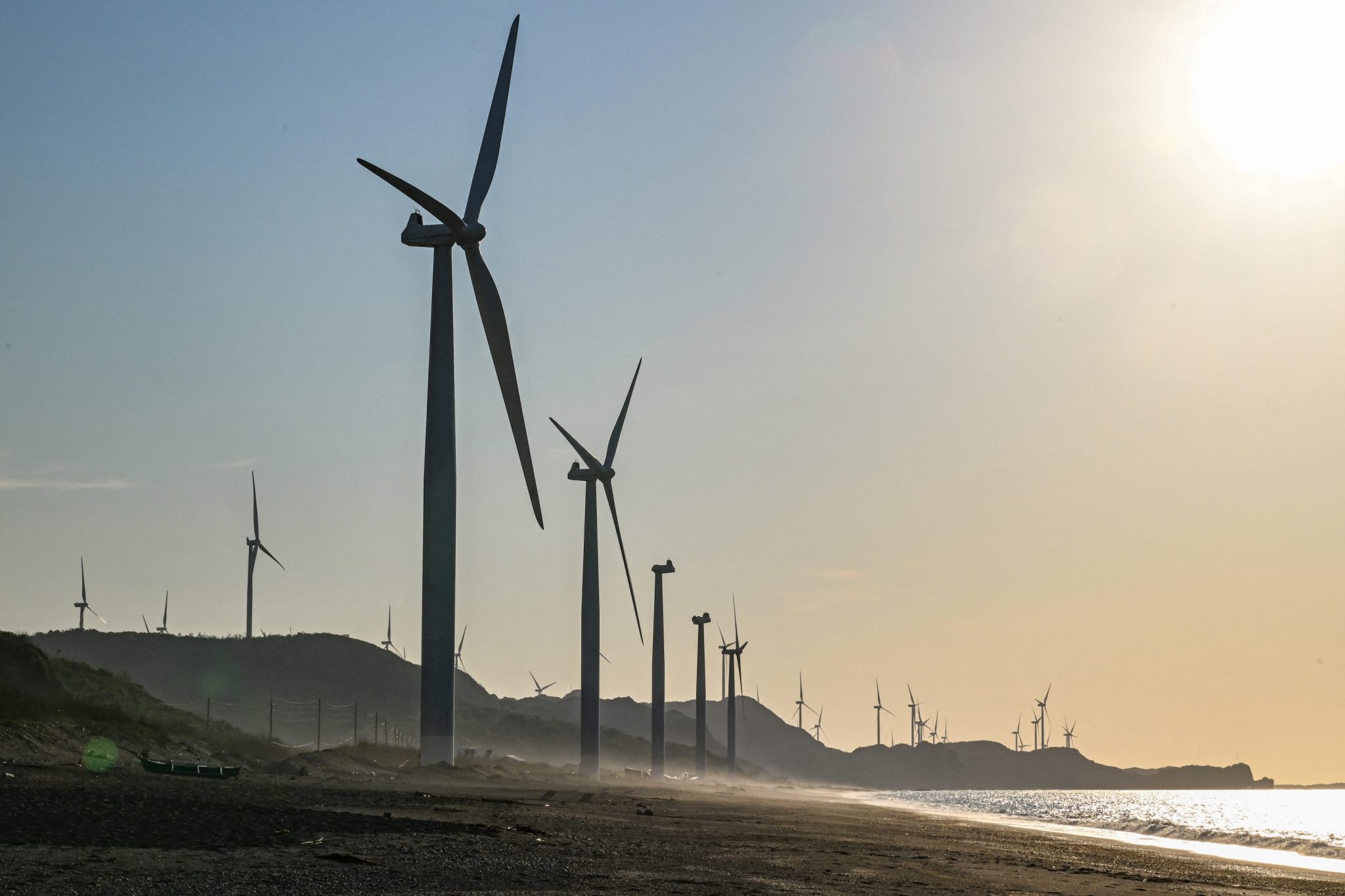
- Asia's energy security is heavily dependent on the Strait of Hormuz, a critical waterway it does not control.
- Major Asian economies are investing in AI, with Japan allocating $2.3 trillion for AI and chip development over the next 15 years.
- Data center power demand in the Asia-Pacific is projected to rise by 165% from 2023 to 2030, but current grid and storage investments are insufficient.
- The International Energy Agency reports that Southeast Asia needs $50 billion annually for grid and storage improvements, but only $13 billion was invested in 2025.
- Asia faces challenges similar to the U.S., where many planned projects are delayed or blocked, leading to a significant gap between announced and delivered data center capacity.
- Regulatory frameworks in Singapore, Malaysia, and South Korea are evolving to require better planning for energy storage and grid impacts.
- A more competitive and transparent electricity market is necessary to attract investment and reduce reliance on imported energy.
- Current Asian electricity systems are often state-controlled, limiting trading and investment opportunities compared to more mature markets like Europe and the U.S.
- Steps are being taken to liberalize markets, including Japan's growing power futures market and India's power exchange initiatives.
- For Asia to meet its AI infrastructure needs, electricity markets must be robust and transparent, allowing for proactive investment in energy capacity.
energy securityasiaai ambitionscomputing powermarket interdependence