Computer Vision
Mar 25, 2026
Researchers Develop Computer Vision System for Monitoring River Herring Migration
Mar 25, 2026
AI Summary
A team of researchers has created a computer vision-based system to enhance the monitoring of river herring populations during their spring migration in Massachusetts. This method aims to improve the accuracy and efficiency of fish counting, complementing traditional monitoring techniques and supporting conservation efforts.
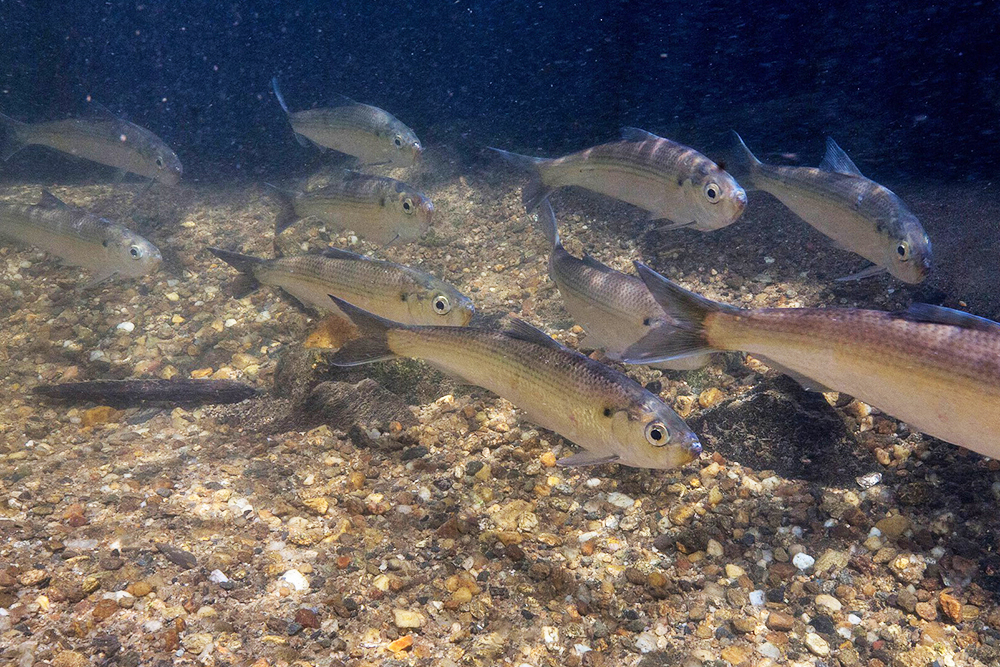
- River herring populations migrate from coastal waters to freshwater spawning habitats each spring, but have faced significant declines in recent decades.
- Traditional monitoring methods rely on visual counting and volunteer programs, which can miss critical data due to time and environmental constraints.
- Researchers from several institutions developed a new method using underwater video and computer vision to automate fish counting and improve data quality.
- The study involved collecting and analyzing video from three Massachusetts rivers, with a focus on diverse conditions to train the computer vision model.
- The researchers labeled over 59,000 frames from 1,435 video clips to create a robust training dataset.
- The automated system provided high-resolution counts and insights into fish migration patterns, revealing that upstream migration peaked at dawn while downstream migration occurred mainly at night.
- The project aims to integrate computer vision with citizen science efforts, emphasizing the importance of volunteer involvement in maintaining equipment and contributing to data processing.
- Continued traditional monitoring is deemed necessary for long-term data consistency until automated systems are fully implemented.
- The research was funded by MIT Sea Grant and supported by various organizations focused on climate adaptation and biodiversity.
deep learningfish monitoringcitizen sciencecomputer visionenvironmental research