Debate on AI Development Pacing Highlights Risks and Economic Implications
A debate has emerged over the concept of 'pacing' in AI development, which involves slowing progress to ensure safety and alignment with societal needs. Proponents argue that this approach is necessary to mitigate risks, while critics fear it may hinder U.S. competitiveness against China. The discussion underscores the complexities of AI adoption and the importance of trust in technology.
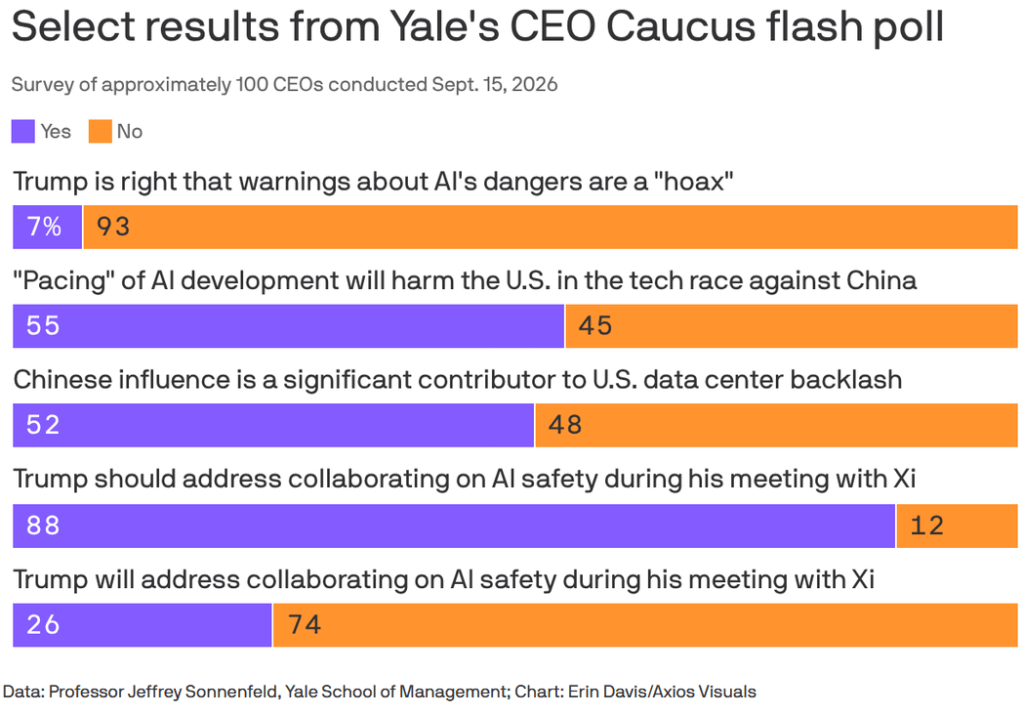
Washington and Silicon Valley are engaged in a debate over 'pacing' in AI development, which involves intentionally slowing down advancements until safety and societal alignment can catch up.
Critics of pacing argue it could lead to a disadvantage in the global AI race, particularly against China, while supporters believe it is essential to address the potential catastrophic risks associated with advanced AI technologies.
The concept of 'Compute-to-GDP Fallacy' suggests that improvements in AI performance do not directly translate to economic growth, as historical technologies took decades to integrate into productivity.
Corporate America is reportedly years behind in AI capabilities, with trust and adoption being more critical than raw technological advancement.
Many companies face significant barriers to AI implementation, primarily due to fragmented data systems and lack of data readiness, with over two-thirds identifying data issues as a major obstacle.
AI adoption is categorized into three phases: assistance, orchestration, and autonomy, each requiring different levels of trust and data management.
The debate also highlights differing approaches to AI alignment between the U.S. and China, with both nations recognizing the need for responsible AI deployment to avoid risks.
The discussion emphasizes that while speed in AI development may attract attention, building trust with consumers and regulators is crucial for long-term success in the market.