AI Research
Mar 26, 2026
MIT engineers develop AI model to design proteins based on motion patterns
Mar 26, 2026
AI Summary
MIT engineers have created an AI model called VibeGen that designs proteins by specifying desired motion patterns rather than just their shapes. This innovative approach could lead to advancements in medicine and materials science by allowing for the creation of proteins that adapt their movements to perform specific functions.
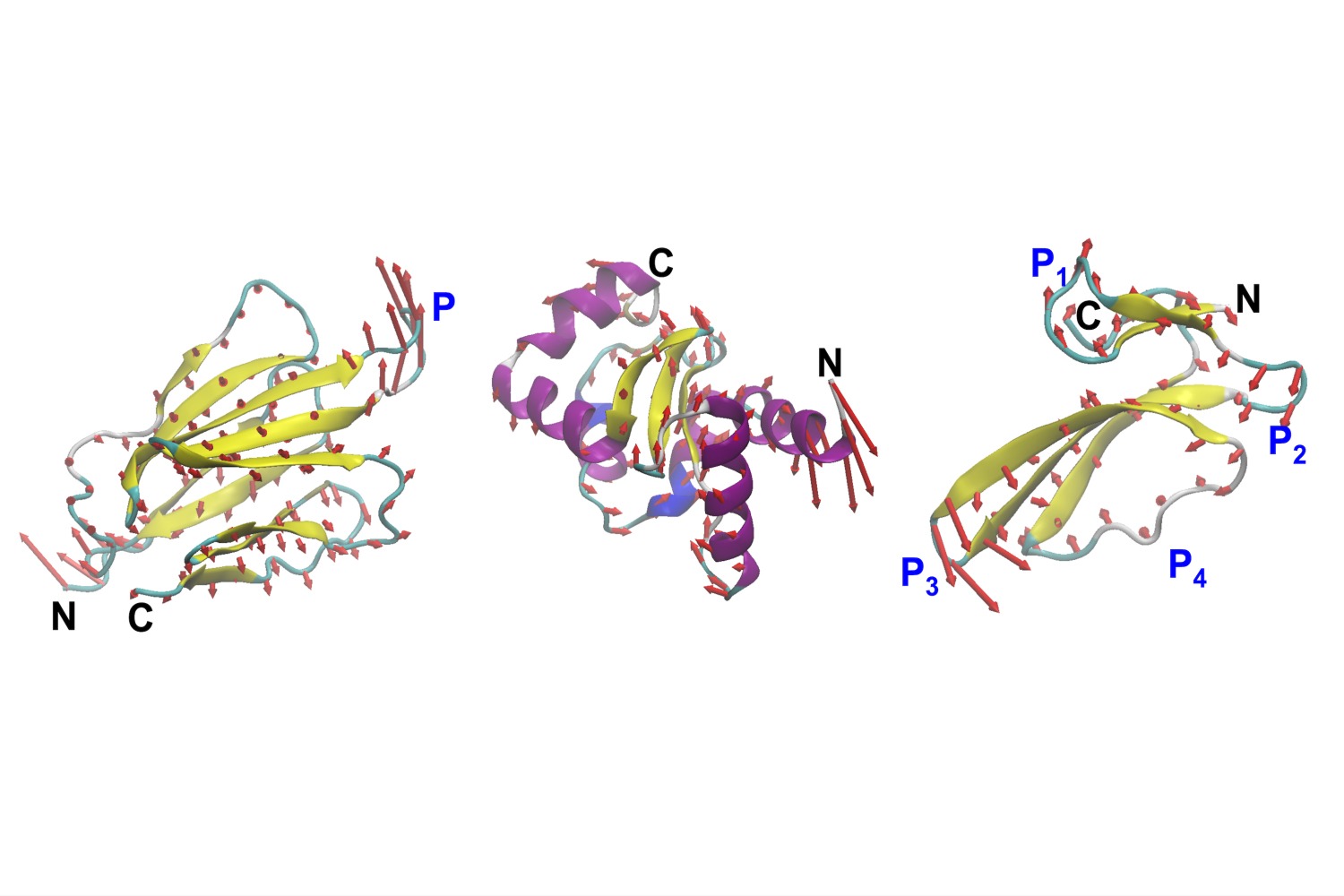
- Proteins are essential molecular machines that perform various functions in the body, including pumping blood and fighting disease.
- Traditional protein design has focused primarily on their structure, neglecting the importance of motion in their functionality.
- The new AI model, VibeGen, allows scientists to specify the desired motion of a protein, which the model then uses to generate the corresponding amino acid sequence.
- VibeGen employs a collaborative system of two AI agents: a designer that proposes sequences and a predictor that evaluates their potential movements.
- The model has shown that multiple protein sequences can achieve the same vibrational target, indicating a vast space of potential designs beyond those found in nature.
- Applications for this technology include creating therapeutic proteins that adapt their shape for better binding to targets and developing new materials with specific mechanical properties.
- Future research aims to refine VibeGen and integrate it with other AI tools to create multifunctional proteins that can respond to environmental signals.
protein designbiomaterialsadaptive therapeuticsai modeldynamic systems