Robotics
Apr 14, 2026
MIT Project Develops Human-Robot Collaboration for Underwater Missions
Apr 14, 2026
AI Summary
A project at MIT Lincoln Laboratory aims to enhance underwater missions by integrating autonomous underwater vehicles (AUVs) with human divers. This collaboration seeks to improve navigation and perception capabilities, optimizing tasks such as infrastructure repair and search and rescue operations for the U.S. military.
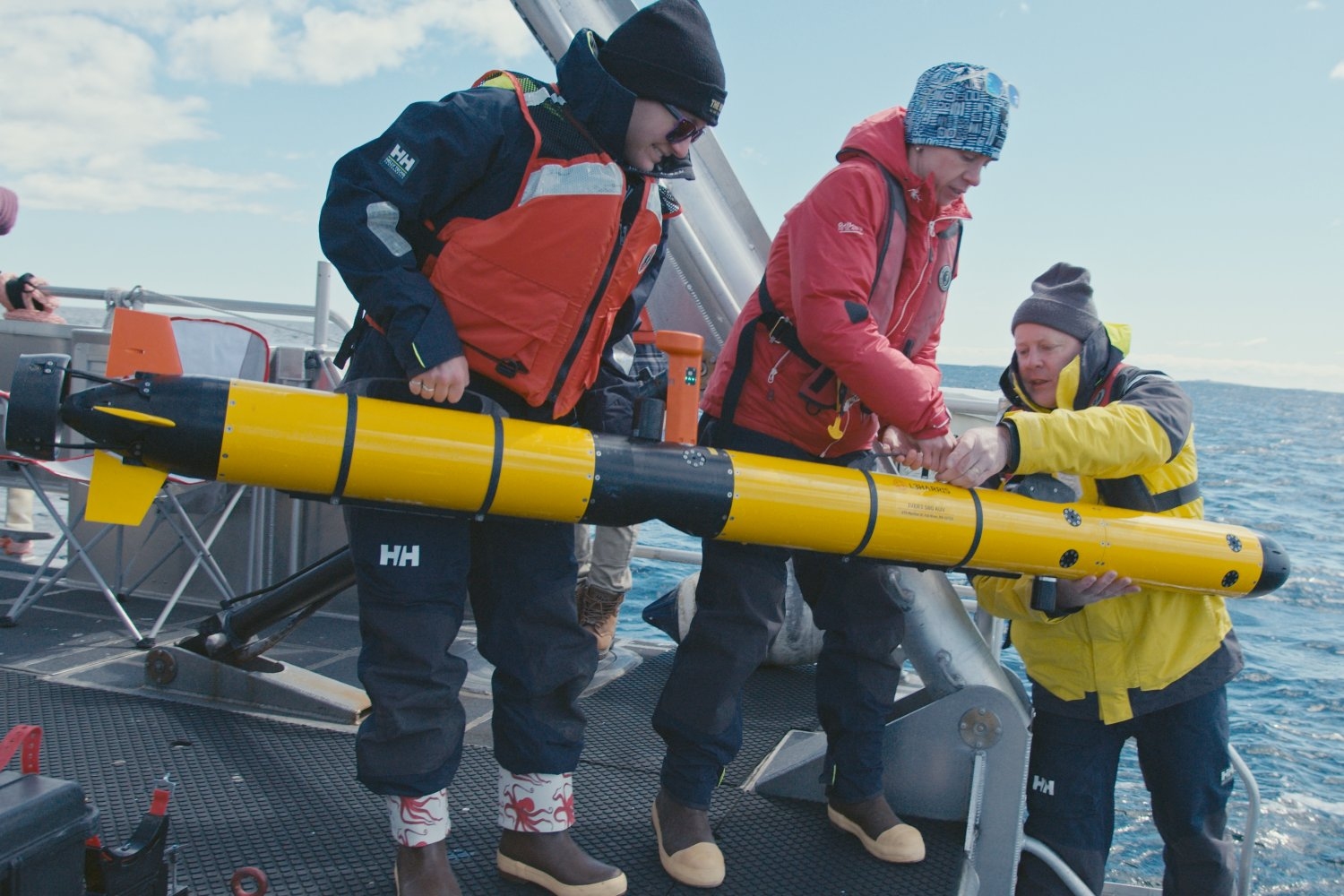
- The project focuses on human-robot teaming to optimize maritime missions, including critical infrastructure inspection and repair, search and rescue, and countermine operations.
- Principal investigator Madeline Miller highlights the strengths of both humans and robots, noting that while humans excel in dexterity and object recognition, robots have advantages in processing power and endurance.
- The team is developing hardware and algorithms for underwater navigation and perception, addressing challenges like murky conditions and the limitations of current sonar and optical sensors.
- Navigation algorithms were tested using simulations and field tests with kayaks as proxies for divers and AUVs, leading to further testing in realistic ocean conditions.
- An AI classifier is being developed to process both optical and sonar data, allowing for real-time communication between divers and AUVs to improve object classification.
- The project includes testing sensor-equipped AUVs in various locations, including coastal New England and the Great Lakes, to refine navigation and perception capabilities.
- The team is seeking external funding to transition the technology for military or commercial use, emphasizing the importance of undersea telecommunications and power cables in global security.
underwaterautonomous vehicleshuman-machine collaborationmaritime missionsresearch