AI Summary
MIT students engaged in internships with the Muscogee Creek Nation and local organizations in Tulsa, Oklahoma, focusing on integrating technical skills with cultural and historical perspectives. Their work included developing a maternal health survey and teaching STEM to Native youth, emphasizing the importance of community engagement in technology.
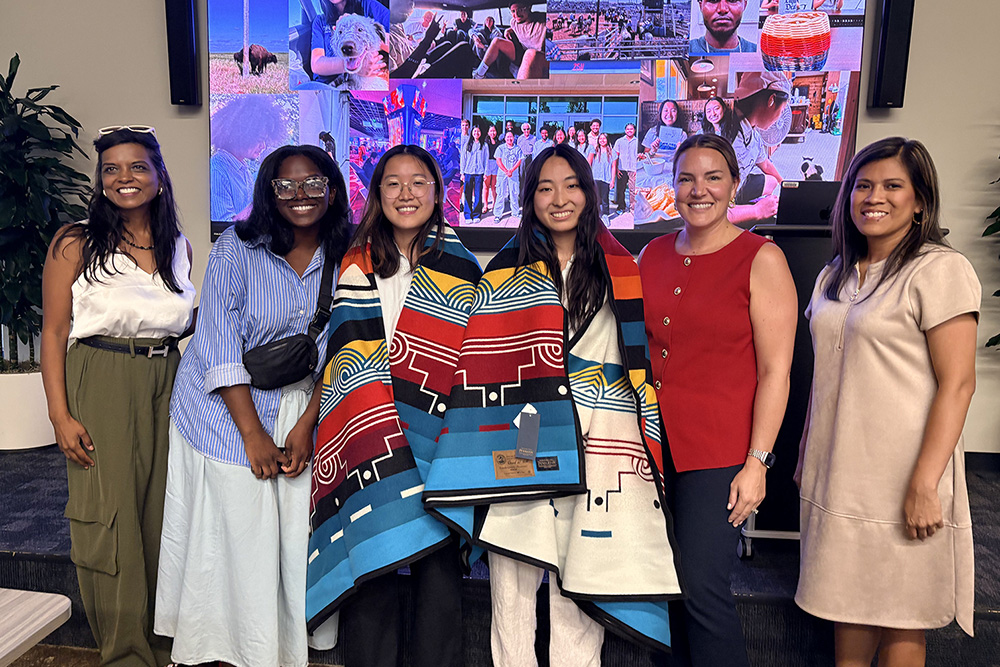
- Daphne Wang, a mechanical engineering student at MIT, interned with the Muscogee Creek Nation Department of Health, where she analyzed tribal history alongside technical projects.
- Wang and fellow intern Lucy Sun contributed to the development of the Muscogee Nation's first Pregnancy Risk Assessment Monitoring System (PRAMS) survey, focusing on maternal health data for Muscogee women.
- The Code.Tulsa program, supported by the Patrick J. McGovern Foundation and the George Kaiser Family Foundation, allows MIT students to intern with local tribes and nonprofits while living at the University of Tulsa.
- Students receive education on the cultural significance of technology in the Tulsa area, integrating engineering problem-solving with a humanist perspective.
- Jack Carson, an electrical engineering student and member of the Cherokee Nation, initiated the Code.Tulsa program to improve STEM access for rural Native students.
- The Tulsa Advanced Sciences Camp (TASC) was developed as part of Code.Tulsa, providing STEM education to high school students from various Native tribes.
- TASC campers expressed increased ambition and interest in STEM fields, with some planning to apply to MIT.
- Cherokee Nation Principal Chief Chuck Hoskin Jr. encouraged students to use technology for positive social impact.
- Code.Tulsa interns reported a renewed sense of purpose and commitment to social impact in their future careers, emphasizing the role of empathy and inclusion in technology.
social impactexperiential learningtechnical innovationhumanist perspectiveeducation