Robotics
Jul 14, 2026
MIT's JARVIS Challenge Explores AI's Role in Jet Engine Design and Engineering
Jul 14, 2026
AI Summary
The JARVIS Challenge at MIT tested whether AI could enhance the design and manufacturing of jet engines. While AI tools showed potential in accelerating engineering processes, human expertise and judgment remained crucial for successful outcomes.
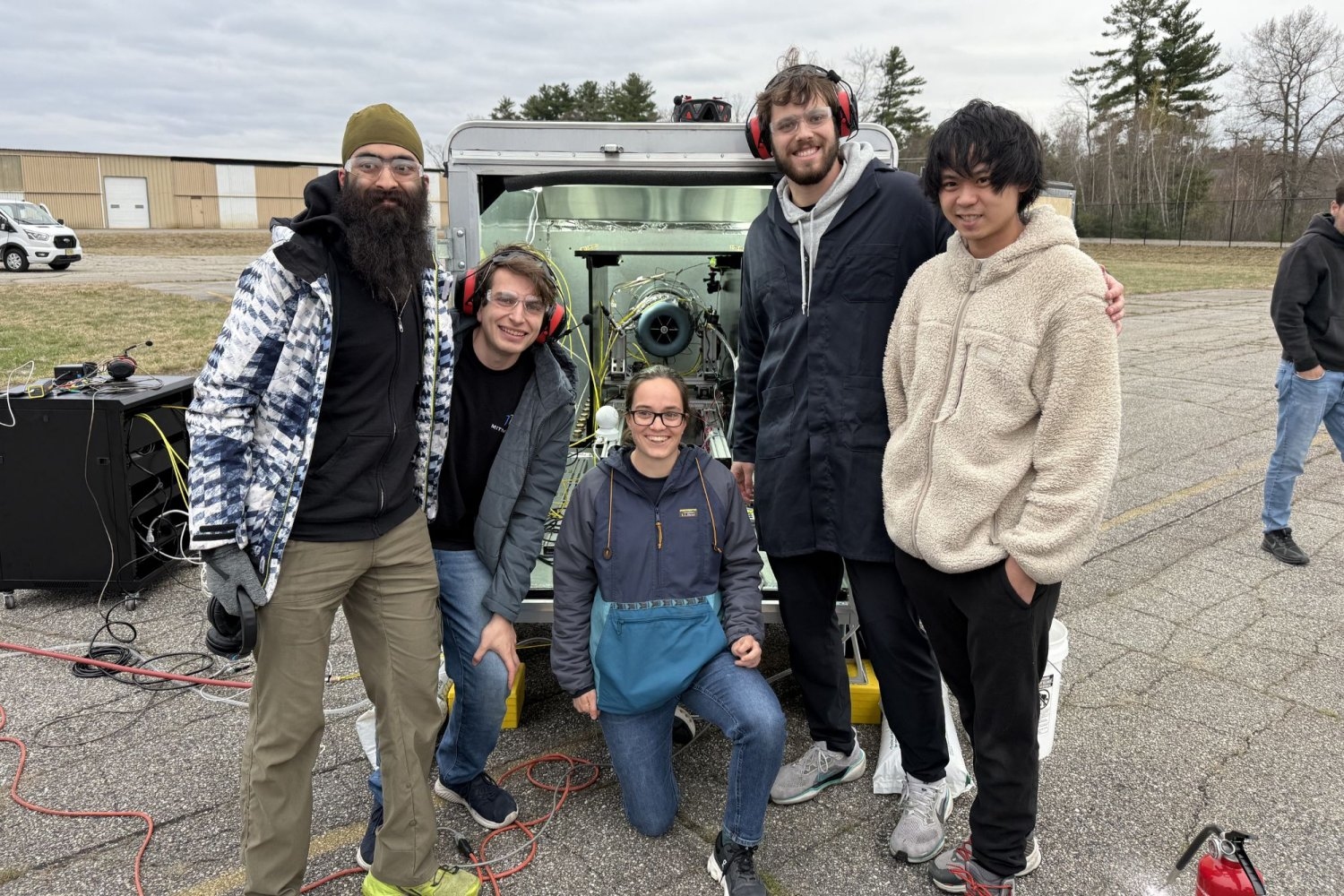
- The JARVIS Challenge aimed to determine if AI could improve the design-build-test cycle for jet engines. Students were tasked with creating a small gas turbine engine in four weeks, using AI as a primary engineering partner.
- A total of 31 undergraduates formed seven teams, with varying levels of experience in turbomachinery and thermodynamics. They had access to MIT's machine shops, commercial design software, and a new AI platform called MIT Parley.
- Teams utilized AI for tasks such as summarizing information, generating design alternatives, and managing project logistics. However, they encountered limitations, including AI's inaccuracies and challenges in vendor relationships.
- The competition revealed that engineering experience significantly influenced team performance. The winning team, 811 Crew, relied more on their foundational knowledge than on AI, while another team faced delays due to vendor issues despite heavy AI usage.
- The challenge highlighted the importance of human judgment in engineering, particularly in safety-critical systems. It suggested that while AI can enhance productivity, it cannot replace the need for skilled engineers who can effectively direct AI tools.
- The findings indicate that AI could potentially shorten engineering timelines, impacting workforce structures and research dynamics in aerospace. Education and hands-on experience are deemed essential for future engineers to effectively leverage AI in their work.
ai copilotsjet engineaerospaceengineeringmit