AI Summary
Researchers have developed an AI technique that matches X-rays taken during surgery with preoperative 3D scans, improving the accuracy of minimally invasive procedures. This method, which adapts to individual patients quickly, could lead to safer surgeries and greater accessibility to life-saving interventions.
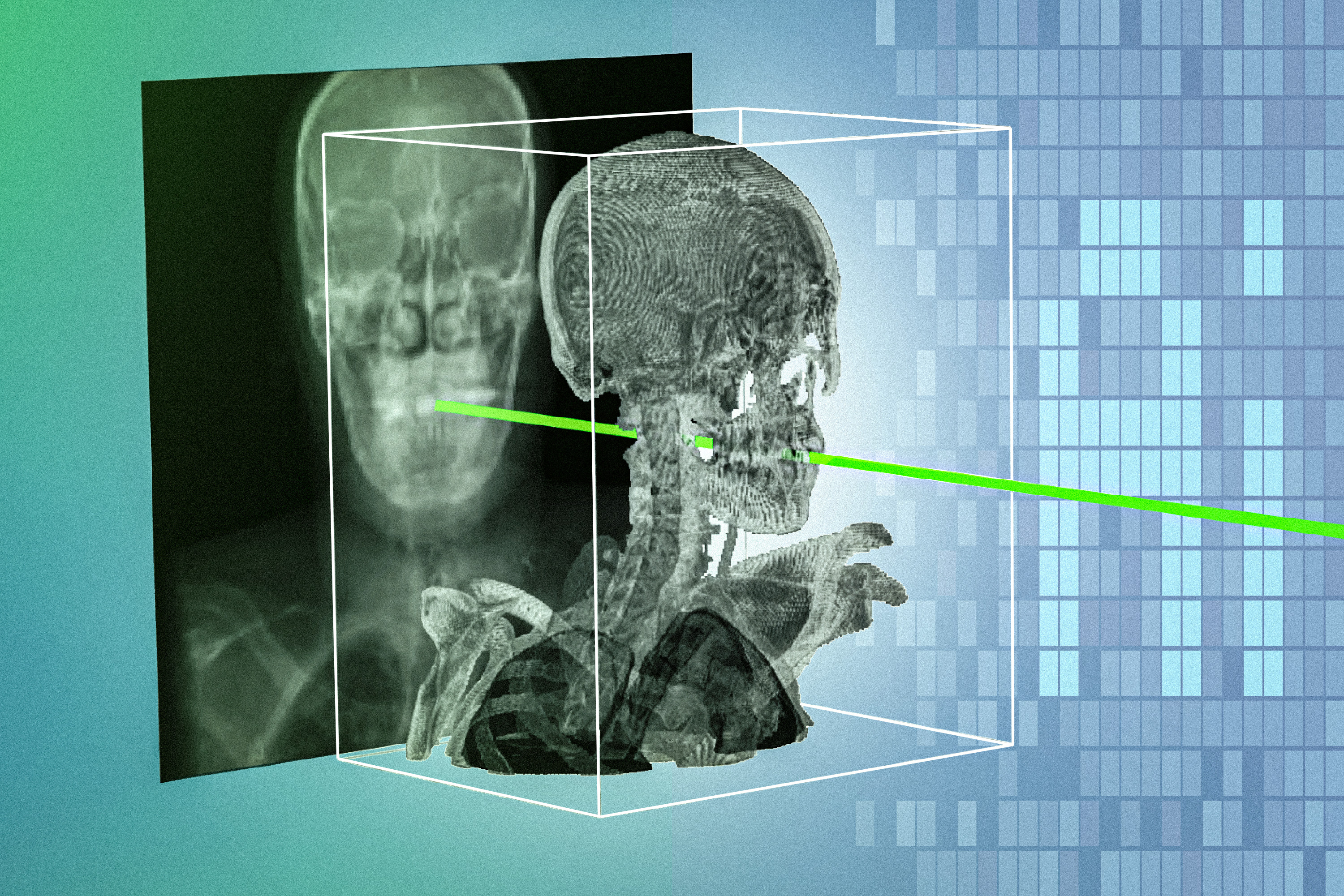
- A new AI technique, named xvr, matches intraoperative X-rays with preoperative 3D scans to enhance surgical precision.
- The method allows clinicians to navigate surgical tools more accurately, reducing the risk of complications during minimally invasive surgeries.
- Traditional methods of aligning X-rays with 3D images are slow and can be inaccurate due to diverse patient anatomies.
- The xvr system adapts to each patient in about five minutes, using a physics-based simulation to generate realistic synthetic X-rays for training.
- The AI model has shown significant improvements in accuracy and speed compared to existing methods, making it suitable for emergency surgeries.
- Researchers aim to further refine the xvr system for real-time use and expand its capabilities for more complex surgical scenarios.
- The project is supported by various institutions, including the National Institutes of Health and MIT's research programs.
minimally invasive surgerysurgical navigationx-raysorthopedicsneurosurgery