Japan's labor shortage drives push for automation and robotics in various sectors
Japan faces a significant labor shortage as its working-age population declines, prompting companies to adopt automation and robotics. The government aims to develop a domestic AI sector to address unfilled jobs, particularly in industries like construction and healthcare, where human safety is a concern.
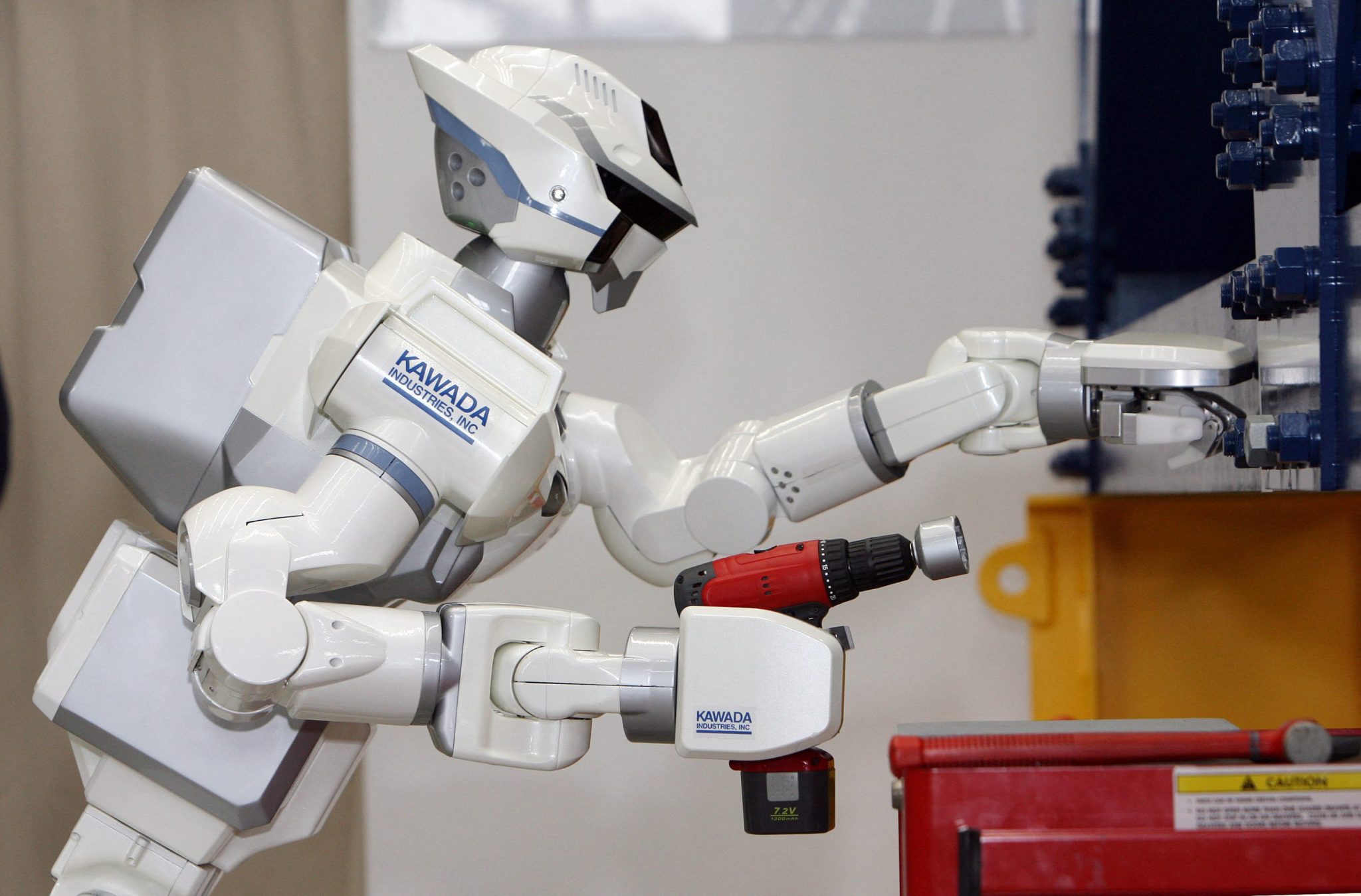
Japan's population has declined for the 14th consecutive year, with projections indicating a reduction of nearly 15 million in the working-age population over the next two decades.
A 2024 survey revealed that labor shortages are pushing Japanese firms towards automation and AI adoption, particularly in logistics, manufacturing, and healthcare.
The Ministry of Economy, Trade and Industry is working to establish a domestic physical AI sector, targeting a 30% share of the global market by 2040.
There are approximately 600,000 unfilled jobs in the industrial sector, highlighting a significant gap in labor supply.
Robots are anticipated to play a crucial role in hazardous jobs, such as tunnel construction and window washing, where human safety is at risk.
Investment in robotics is increasing, with firms like UP.Partners backing companies that develop construction robots capable of navigating complex job sites.
Japan currently holds about 70% of the global industrial robotics market and plans to enhance this by integrating AI into robotics.
The infrastructure for physical AI has improved, with widespread internet-connected sensors and advanced computing capabilities enabling more effective robotic applications.