AI Ethics
May 4, 2026
Radiology profession thrives despite early AI predictions of obsolescence
May 4, 2026
AI Summary
Despite early predictions from AI experts that radiologists would become obsolete, the profession has seen a 10% increase in active practitioners in the U.S. over the past decade, with average salaries reaching $571,000. The demand for radiologists continues to grow, driven by an increase in healthcare needs and the complexity of their roles beyond just image analysis.
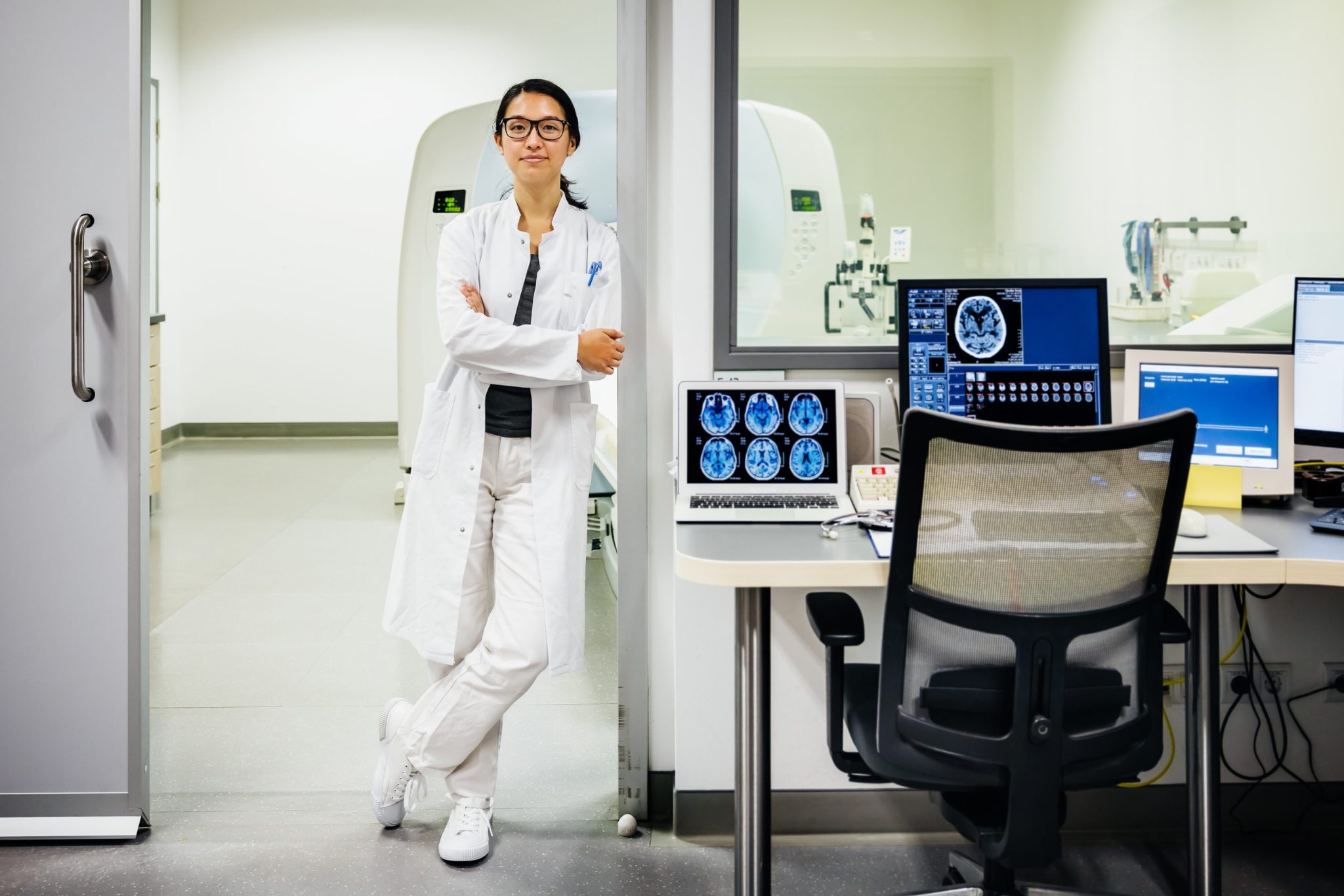
- In 2016, Geoffrey Hinton predicted that AI would replace radiologists within five to ten years, suggesting that training new radiologists should cease.
- Contrary to these predictions, the number of active radiologists in the U.S. has increased by about 10% over the last decade, indicating a shortage in the field.
- As of March 2025, there were approximately 4,333 active job listings for radiologists, with an average time of 130 days to fill each position.
- The average salary for radiologists has risen to $571,000, reflecting a 9% increase year over year.
- The demand for healthcare services has increased due to an aging population and expanded health insurance coverage under the Affordable Care Act.
- AI is being integrated into radiology to assist with tasks like report writing, allowing radiologists to focus on other responsibilities such as consulting and patient care.
- Structural issues, such as Medicare and Medicaid reimbursement policies, require a licensed physician to perform final reads of radiology studies, complicating full AI replacement.
- Increased case loads in radiology have risen by 25% from 2018 to early 2025, contributing to burnout among radiologists.
- Experts suggest that while AI may automate certain tasks, it cannot replicate the human elements of compassion and empathy essential in patient care.
- The situation in radiology mirrors past predictions about job losses in other fields, such as accounting, where technology has instead allowed professionals to focus on more complex tasks.
airadiologyjob securityeconomicssalary trends