AI & Machine Learning
Aug 4, 2026
Study finds AI assistance in skin disease diagnosis varies by user expertise
Aug 4, 2026
AI Summary
Research indicates that the effectiveness of AI tools in diagnosing skin diseases differs based on the user's expertise. Non-experts often rely heavily on AI explanations, which can lead to errors, while clinicians perform better with minimal AI guidance.
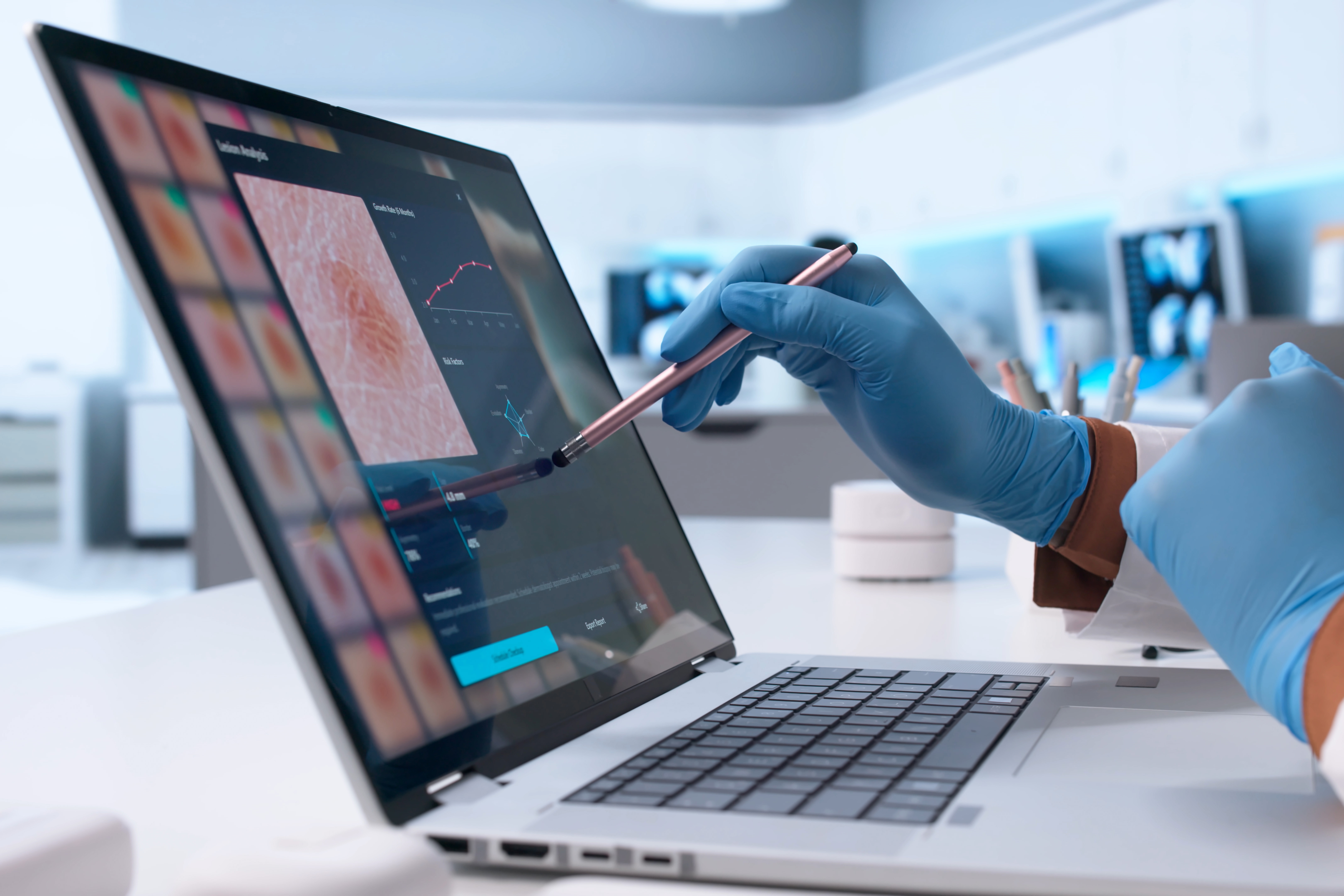
- A study by MIT researchers shows that AI assistance in diagnosing skin diseases benefits users differently based on their expertise level.
- Non-experts improved their diagnostic accuracy with AI tools, but their reliance on AI explanations often led to errors, particularly when the AI was incorrect.
- Clinicians, on the other hand, were less affected by incorrect AI assistance and performed better when given only predictions without explanations.
- Explainable AI methods, such as heat maps and language models, were tested on both non-experts and primary care providers to assess their impact on diagnostic accuracy.
- The study found that non-experts were more confident in their incorrect diagnoses when aided by AI, while clinicians were able to catch errors in AI explanations due to their prior knowledge.
- The research highlights the need for AI systems to consider user expertise and to promote critical thinking rather than blind reliance on AI outputs.
- Results suggest that presenting AI recommendations after users form their own hypotheses may mitigate overreliance and improve diagnostic outcomes.
- The study was funded by various organizations, including the National Science Foundation and Columbia University.
medical aidiagnostic assistanceuser expertisellmai errors